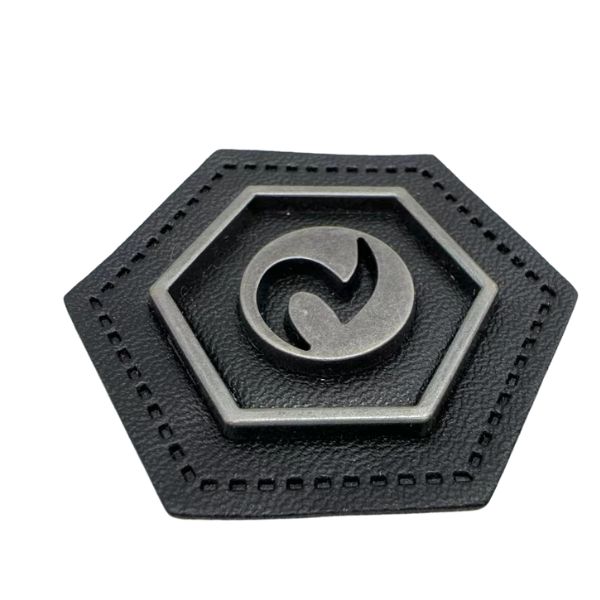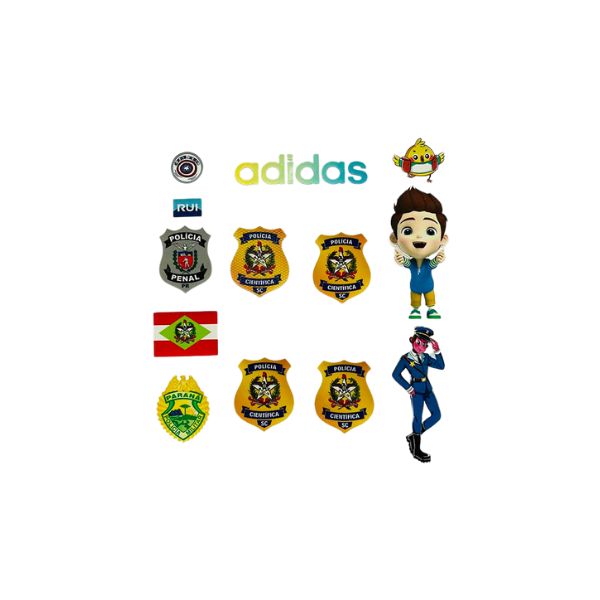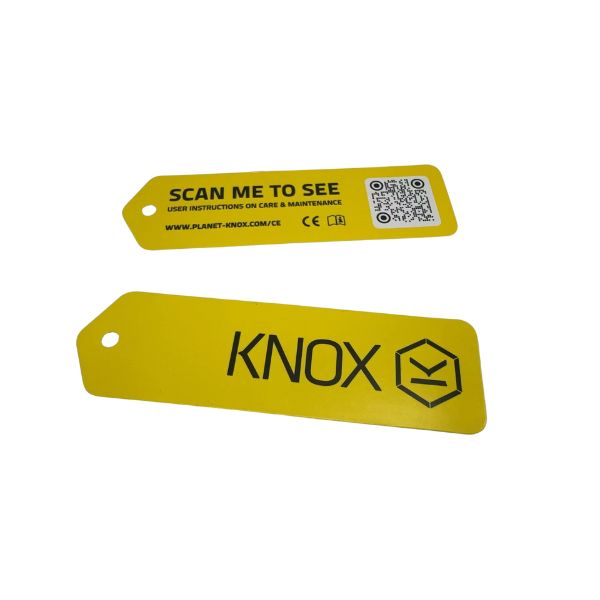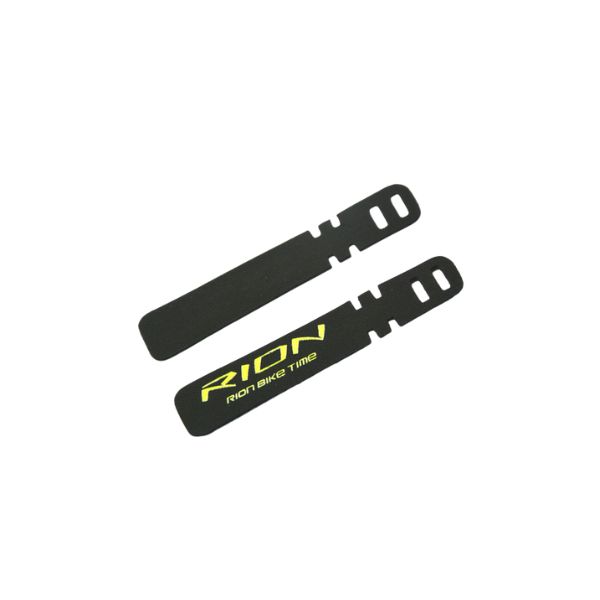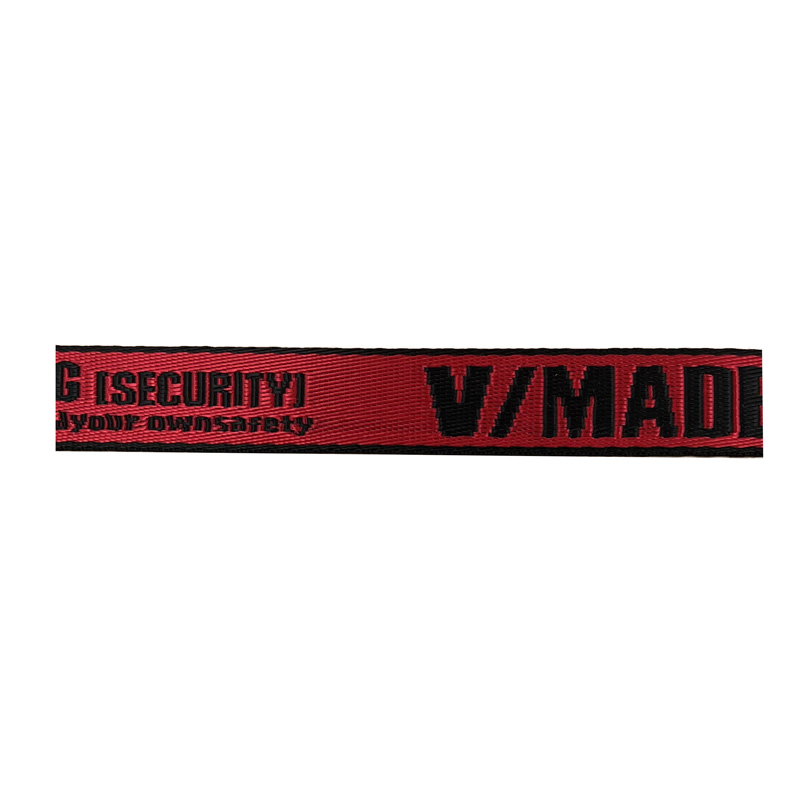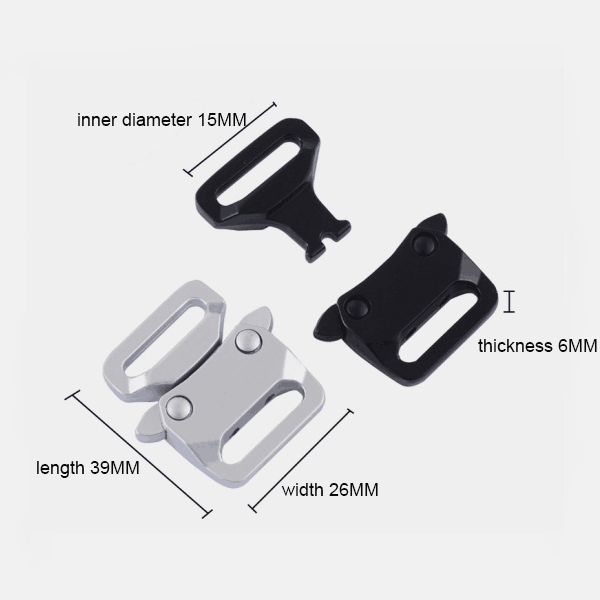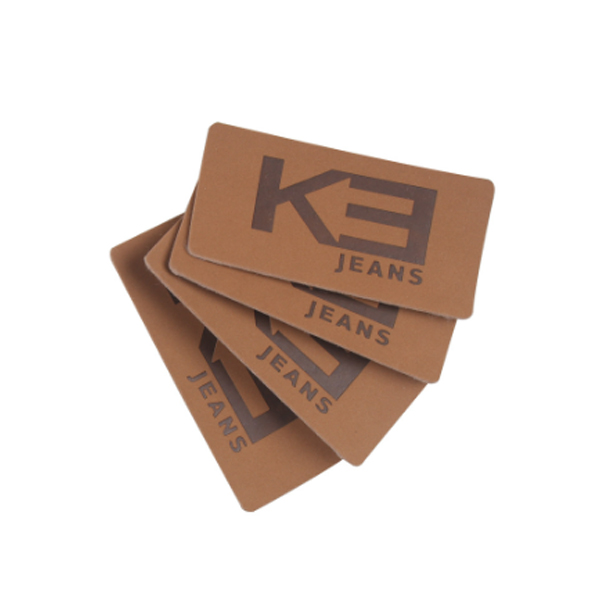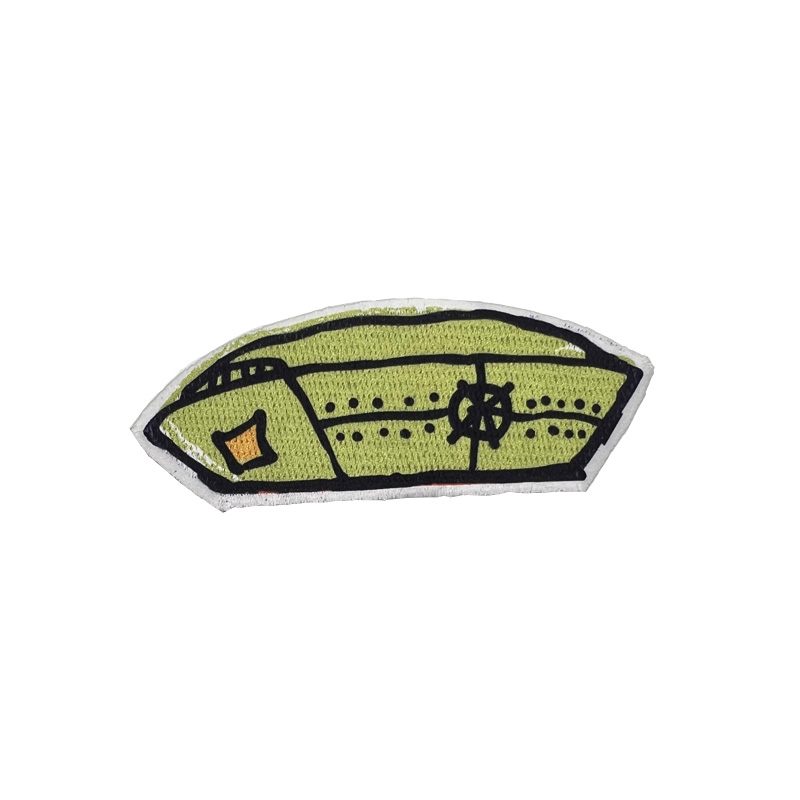
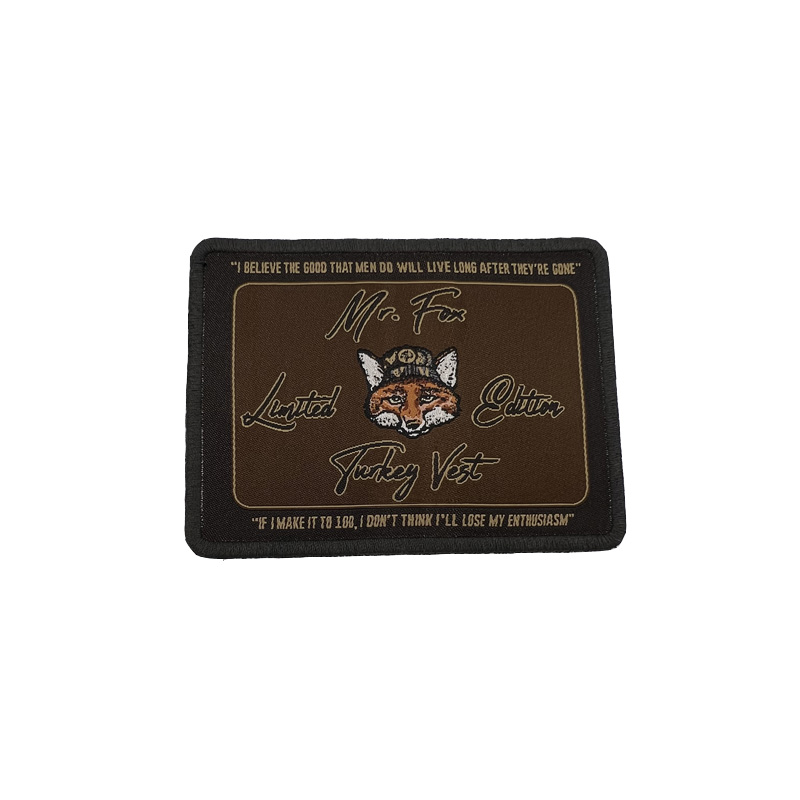
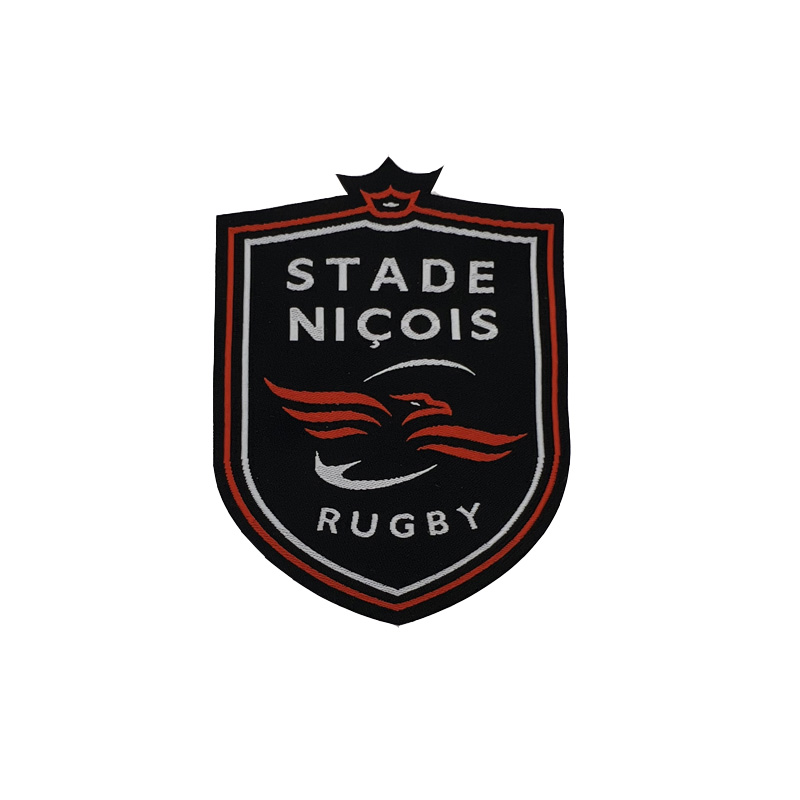
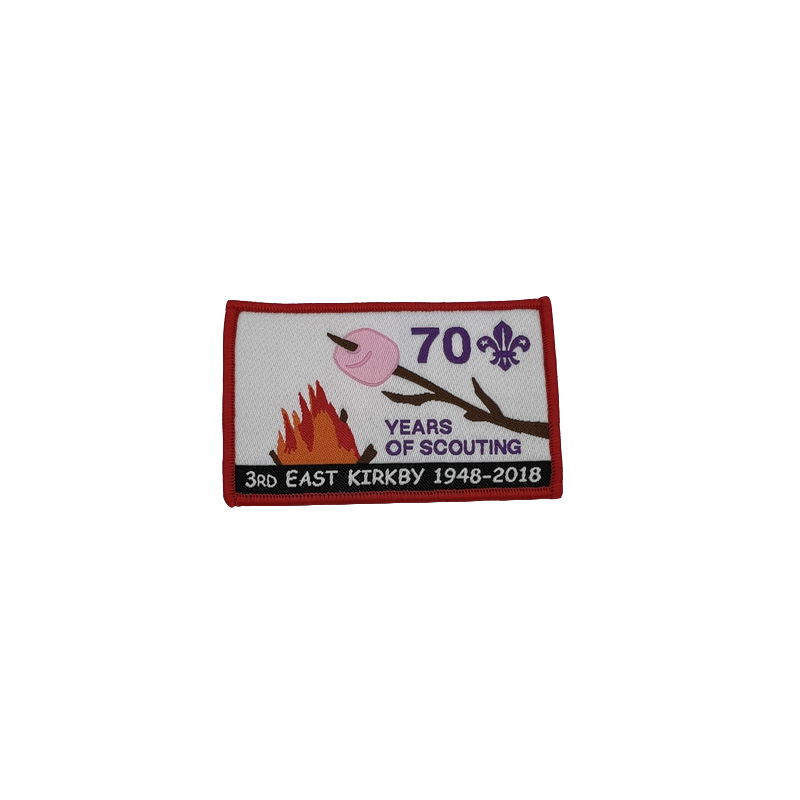
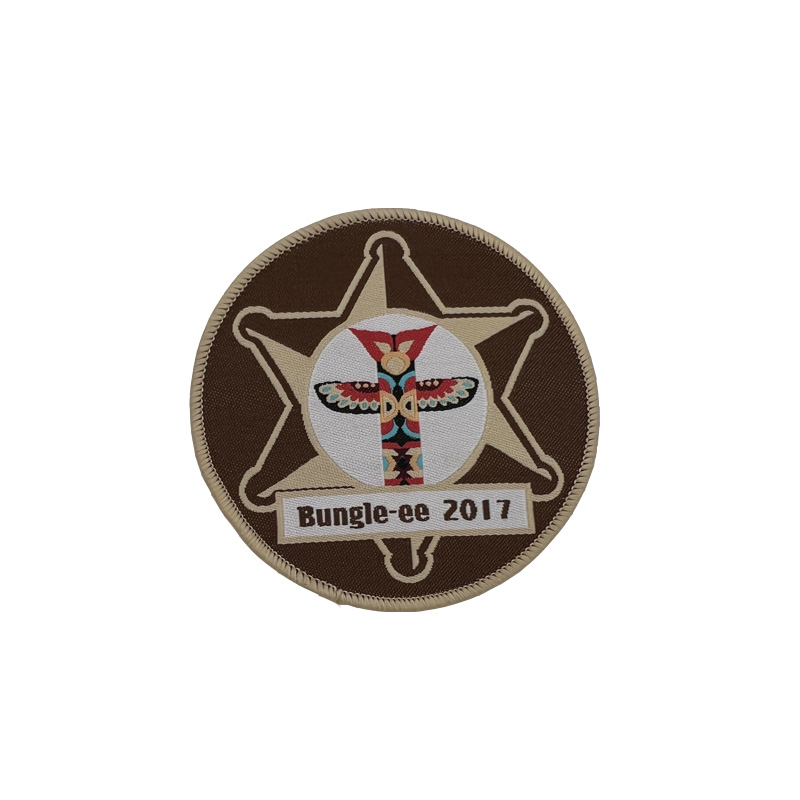
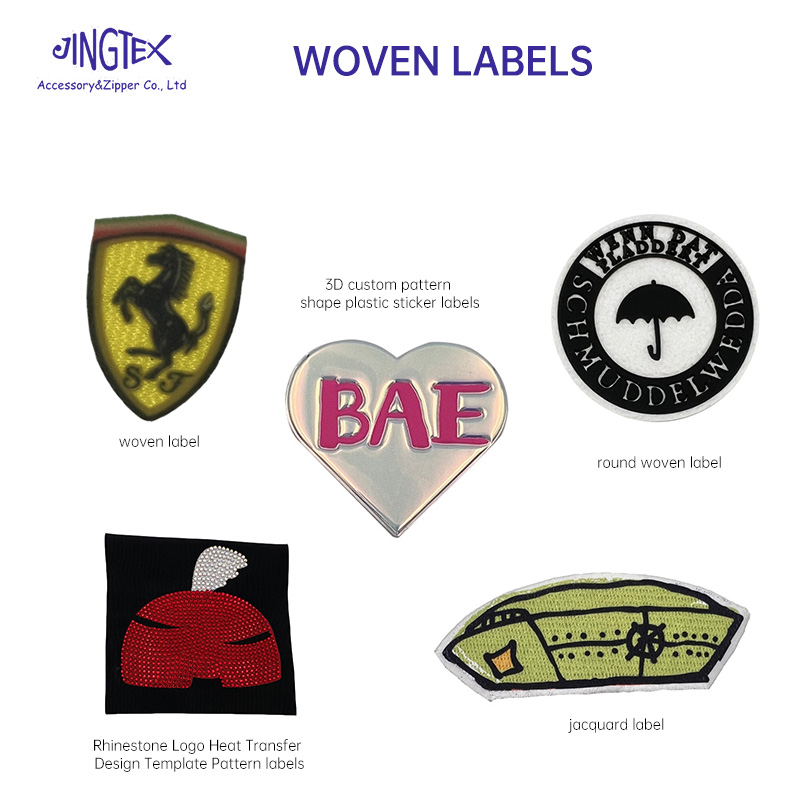
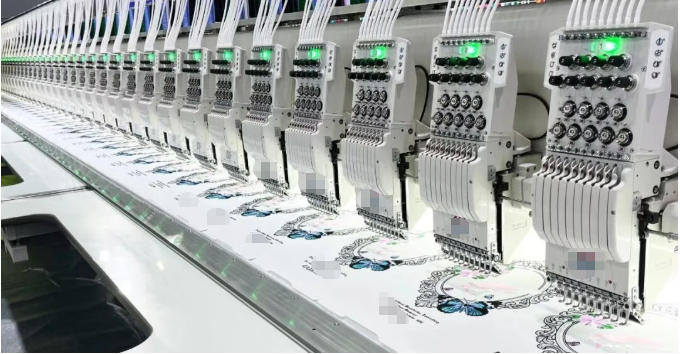
3D embroidery patches combine traditional embroidery with modern 3D molding techniques to create textured, eye-catching designs for apparel, accessories, and promotional products. Below is a detailed breakdown of the production workflow:
Design & Digitizing
Design Requirements: Submit vector files (AI, EPS, or high-resolution PSD with 300+ DPI) specifying color layers, dimensions, and 3D effects (e.g., raised elements, gradients).
Digitizing: Convert designs into embroidery machine-readable code using software like Wilcom EmbroideryStudio. Adjust stitch density (8–12 stitches/cm) and layering for depth.
Material Preparation
Fabric Selection: Common bases include polyester twill (durable), cotton (soft), and satin (glossy). Stretch fabrics require pre-shrink treatment.
3D Support Materials: Foam (3–5mm thickness) or EVA sheets for raised sections.
Embroidery Execution
Machine Configuration: Multi-head embroidery machines (e.g., 12-needle models) with computerized controls for synchronized stitching.
3D Molding: Layer embroidery stitches over foam or EVA to create depth. For metallic accents, use gold/silver threads.
Post-Production
Trimming: Laser or hot-knife cutting for clean edges.
Finishing: Add heat-activated adhesive, Velcro backing, or iron-on coatings.
Quality Control & Packaging
Inspect for stitch uniformity, color consistency, and 3D integrity.
Package in anti-static bags or custom boxes (50–10,000 units per batch).